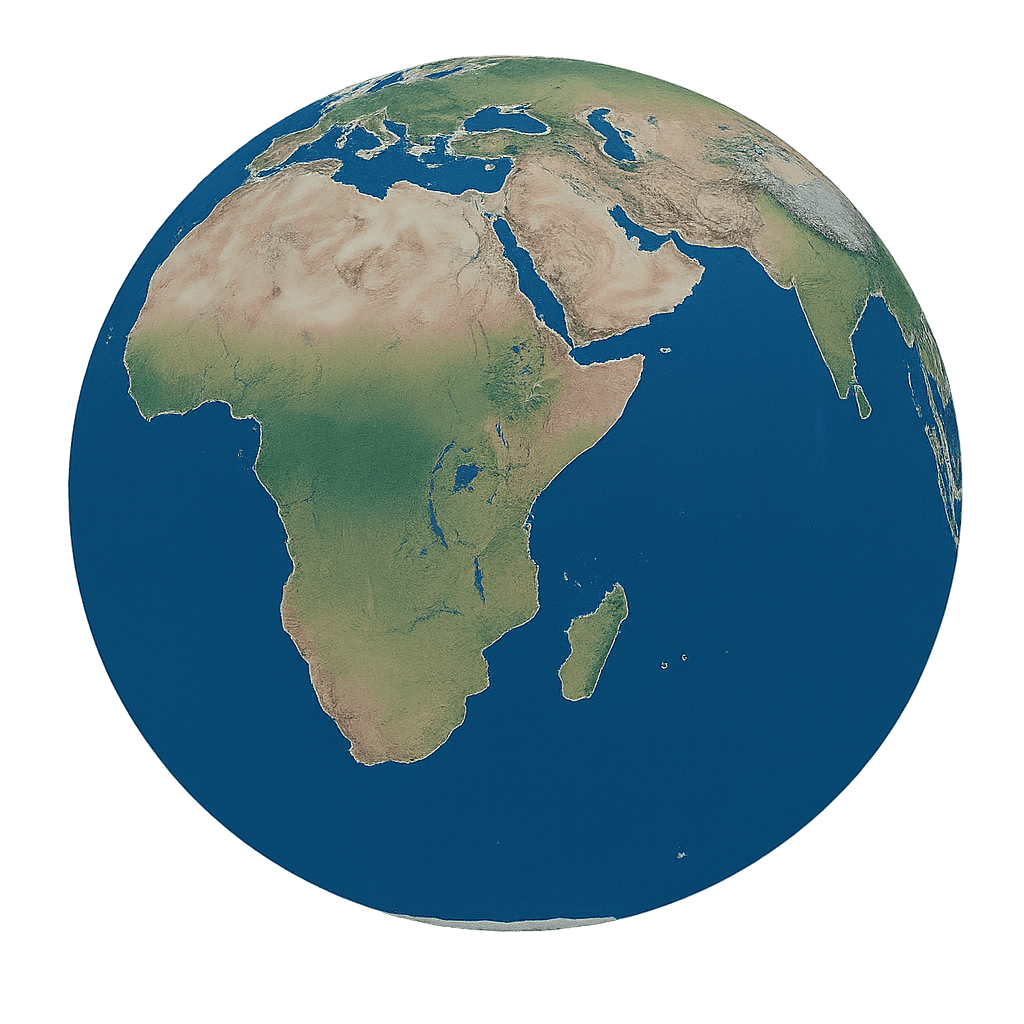

UK Leads Virtual Meeting to Reopen Strait of Hormuz
The talks, chaired by UK Foreign Secretary Yvette Cooper, centered on diplomatic and political measures to reestablish freedom of navigation through the chokepoint — a critical conduit for the world's energy supplies — according to British media reports. Participants also took up the urgent question of how to guarantee the safety of vessels and crew members currently unable to transit the strait.
The summit drew a broad coalition of maritime and regional powers, with media reporting attendees to include European nations — France, Germany, Italy, and the Netherlands — alongside international partners Australia, Japan, Canada, South Korea, New Zealand, the UAE, and Nigeria. All are signatories to a joint statement issued last month pledging a "readiness to contribute to appropriate efforts" to ensure safe passage through the waterway. Several additional countries have since joined the initiative, according to reports.
Notably absent from the table was Washington. Organizers structured the summit around signatories to the joint statement and key European, maritime, and regional allies — a framing that effectively excluded the US. The omission carried pointed diplomatic weight.
On Wednesday, President Donald Trump made clear he expected others to shoulder the burden of reopening the strait should American strikes on Tehran cease, leveling sharp criticism at European allies over what he characterized as insufficient support for the military campaign.
The US and Israel have sustained a continuous air offensive against Iran since February 28, a campaign that has so far killed more than 1,340 people — including then-Supreme Leader Ali Khamenei. Tehran has answered with waves of drone and missile strikes targeting Israel, Jordan, Iraq, and Gulf states hosting US military assets, inflicting casualties, damaging infrastructure, and sending reverberations across global markets and aviation networks.
Legal Disclaimer:
MENAFN provides the
information “as is” without warranty of any kind. We do not accept
any responsibility or liability for the accuracy, content, images,
videos, licenses, completeness, legality, or reliability of the information
contained in this article. If you have any complaints or copyright
issues related to this article, kindly contact the provider above.
Legal Disclaimer:
EIN Presswire provides this news content "as is" without warranty of any kind. We do not accept any responsibility or liability for the accuracy, content, images, videos, licenses, completeness, legality, or reliability of the information contained in this article. If you have any complaints or copyright issues related to this article, kindly contact the author above.
